
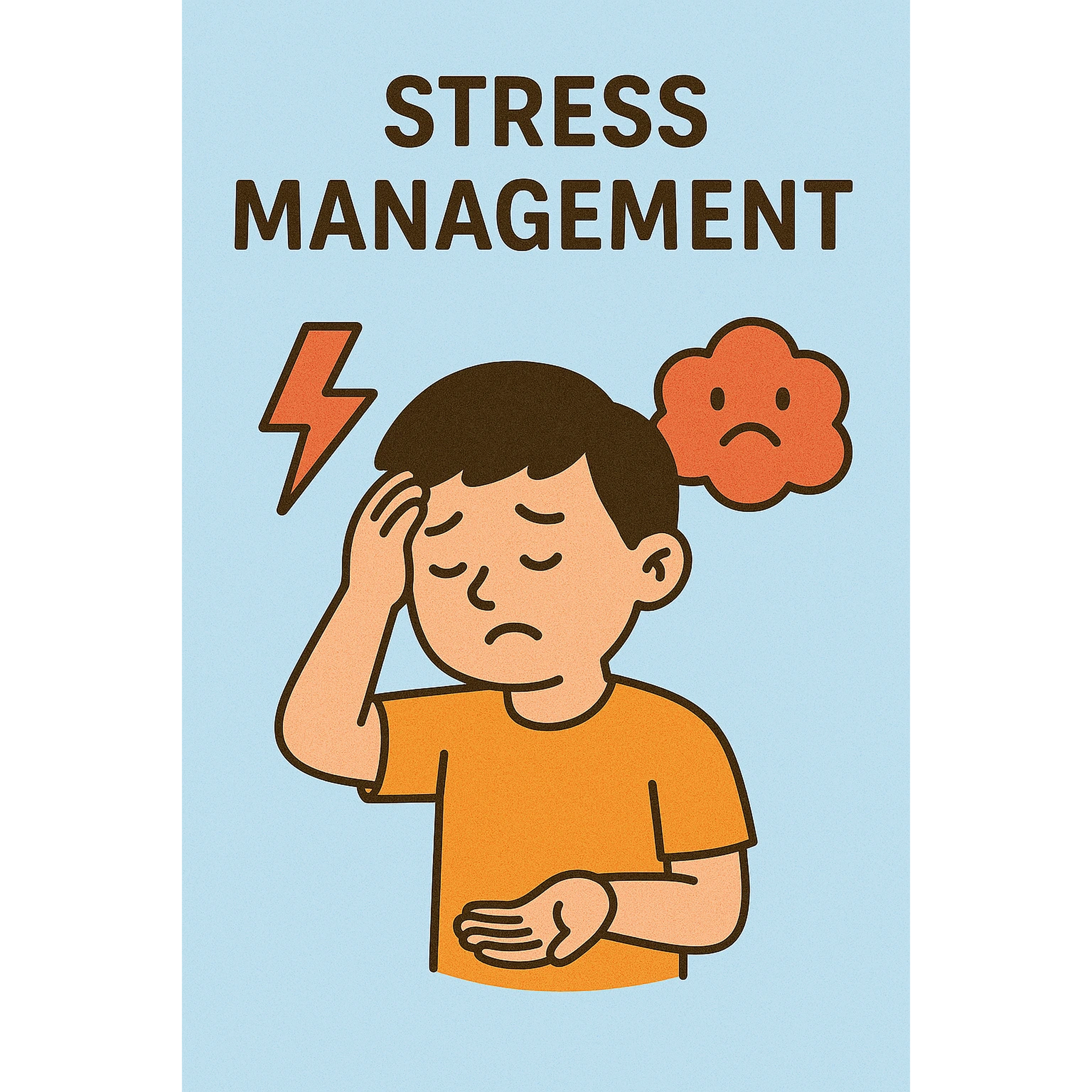
Stress has become a ubiquitous part of modern living. Let us understand what exactly is stress and how it affects our health.
Stress is the reaction seen in the body following an event or occurrence which is typically called a stressor. In primitive humans this was a protective response which prepared the body for the “Fight or Flight” response. Typically on seeing a wild animal in the jungle, the stress response helped earlier humans either to run away quickly or to attack the animal and safeguard themselves. The stress response typically included increased heart beat, increased pumping of blood through important muscles, enhanced alertness to take appropriate action. Increased circulation prepared the body for action.
Cut to the modern world. Now man does not need to hunt to survive. But the stress response has remained the same. We are no more threatened by wild animals but we face modern day stressors.
If these stressors are short lasting, we face what is called an Acute Stress. It comes quickly and goes away quickly. An example can be a scare of tripping down while alighting from a moving train. The body responds by changing the position and many muscles come into action to prevent a fall or to minimize injury upon a fall if it is inevitable. But once the event is over, the body returns to its baseline state. Such Acute stresses are usually not detrimental to health and can be protective like the example we saw above.
If stressors are long lasting, then the stress response continues to linger. The body is constantly in a state of hyper alert and this causes a lot of negative health effects. This is called Chronic stress and is the worst kind of stress. Chronic stress can be of many types.
- Psychological – thoughts, beliefs, perceptions.
- Physiological – illness, infection, disease, hunger.
- Social – major life changes, personal conflicts, financial insecurity.
- Bioecological – weather, pollution, food additives, chemicals.
In today’s fast paced world we are facing multiple sources of stress. Stress leads to activation of stress hormones in the body. This leads to increased inflammation, reduced immunity, increases risk of cardiovascular diseases, certain cancers and also impairs the insulin sensitivity leading to metabolic concerns. Stressed individuals gain more abdominal fat. They are more fatigued and have a poor mood. They have impaired memory and accelerated ageing.
Stressed individuals who cannot cope well fall sick more frequently and are less productive. They also have a higher risk of lifestyle related illnesses. Stress has a cascade effect and many times involves the other family members too. Many times, I see this reflecting as recurrent illnesses in children and even poor growth and development.
It is of utmost importance to be able to cope with stress effectively. Some stress may help individuals perform better. But it is important to mitigate stress once it starts affecting mental and physical health.
Following are some strategies to manage stress effectively.
- Breathing tools – Pranayama, Box breathing techniques, abdominal breathing etc.
- Movement – Yoga, Regular exercise, Tai chi, Qigong.
- Meditation.
- Connecting with nature. Spending time in nature, gardening, forest walks or hikes help de-stress.
- Reading.
- Listening to music.
- Massage – this can be a great way to relax.
- Self expression – Playing a musical instrument, Singing, Creating art, Dancing all can be therapeutic.
- Community connect – Volunteering for meaningful causes will help establish a sense of self worth which helps manage stress better.
- Quality time with family and friends can be rejuvenating. The warm social interactions help enhance the sense of well being.
- Spiritual or religious activities – prayers, chanting and attending religious discourses, volunteering for a cause close to one’s beliefs and ideologies all help towards a calm attitude which helps in coping with a number of stresses.
Each one should consciously seek their own way of managing stress. This will help improve productivity, family relationships and personal health and well being. Even without any perceived obvious stress, the above strategies will still help improve the quality of life of an individual. Stress management is thus rightly among the important pillars of healthy lifestyle.
No Comments