
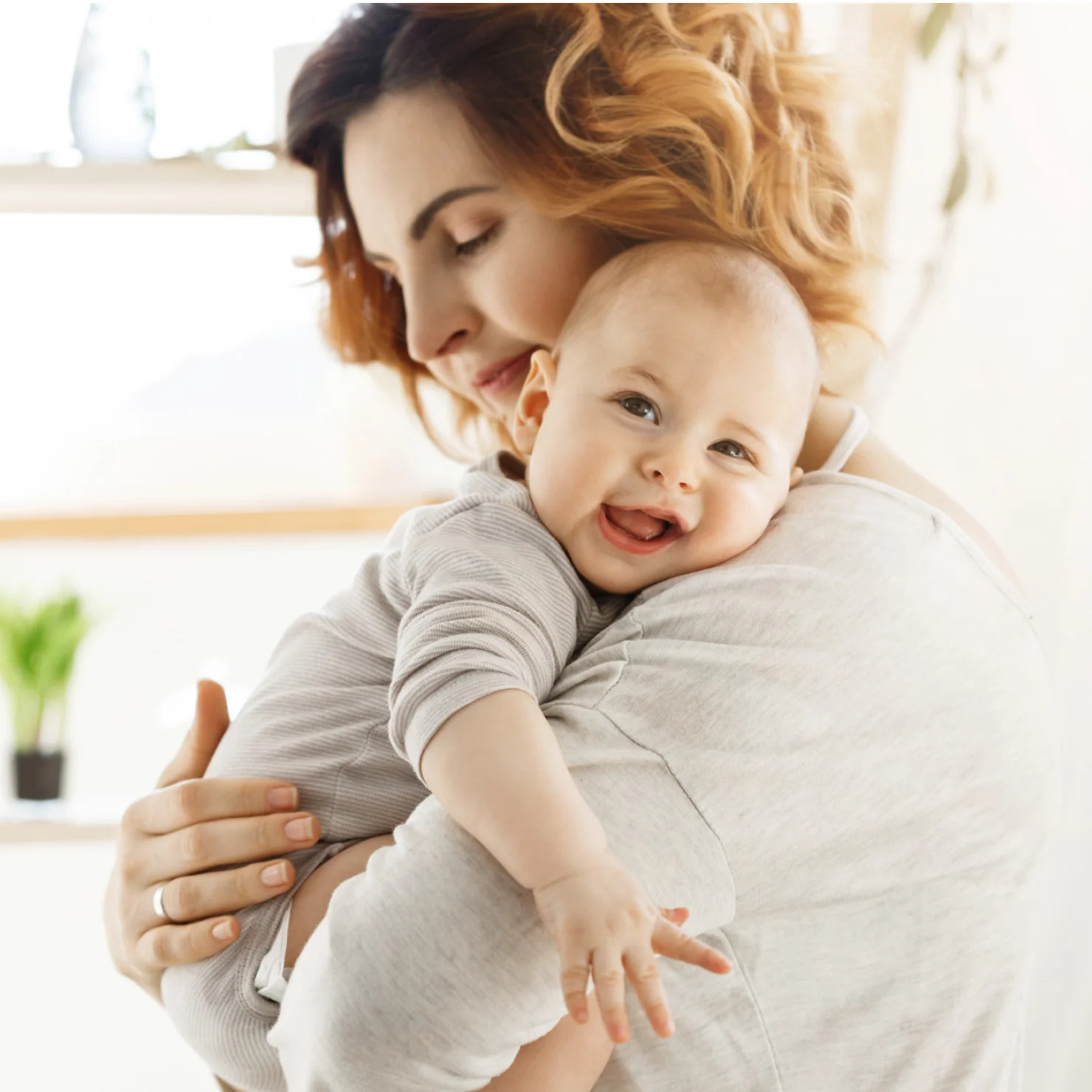
Today on the occasion of #ChildrensDay, I wish all of you a #HappyChildrensDay!
Balshahi requested me to share my thoughts, and I decided to write a 3-part short series. Here is the first part, which focuses on #youngchildren. I hope it will be useful for #newparents.
Parenting is a roller-coaster ride and is unique for every parent. It is a hands-on process with on-the-job learning! Unfortunately, it does not come with an instruction manual. The single most important aspect of being a parent is that you unconditionally love your child. However, these days, many parents confuse ‘love’ with ‘pampering’. Understanding the difference is vital to avoid behavioral and health issues later. This series will discuss these differences in three parts.
Part 1 – Young children
PAMPERING – Out of love for their child, parents often give in to many of the child’s demands. For example, they may offer too many food alternatives when a child refuses to eat, reinforcing the child’s behavior and preventing them from learning healthy food values.
LOVE – Real love is knowing where to draw the line. Refuse to give alternative food and let the child go without food for a short time. Over time, the child will develop healthy eating habits.
PAMPERING – Sometimes parents give in to demands for expensive toys or outings, or shower gifts on the child without them asking, creating a sense of entitlement.
LOVE – Real love is differentiating between the child’s ‘wants’ and ‘needs’. Fulfill all needs, but be mindful about not fulfilling every want. Older children can understand explanations about why certain things are unnecessary. Parents can creatively offer alternatives, like taking the child to the park instead of buying an expensive toy, or reading a book together rather than buying a digital device. These experiences help build healthy imagination and connection to nature.
In these ways, parents give lifelong gifts to their children.
PAMPERING – Taking the child on frequent mall trips and outings for food and shopping.
LOVE – Taking the effort to learn about healthy eating for the child and family, and implementing this knowledge to raise a healthy and happy child.
More in Part 2, which will cover Older children, and Part 3, which will cover Adolescents.
No Comments