
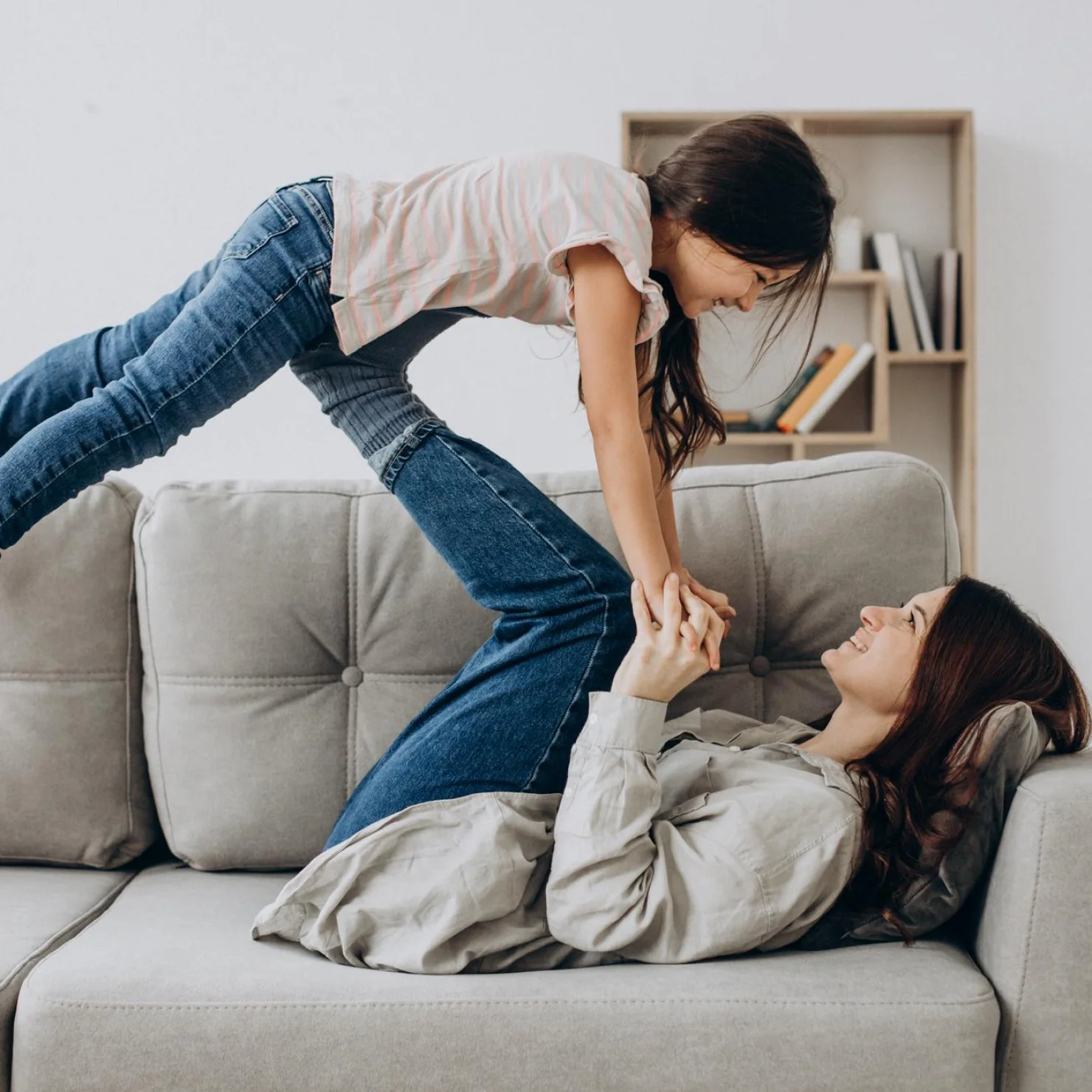
In this part 2, we will look at older children and discuss an important aspect of parenting.
Older children are physically independent; they can do their daily chores on their own. Parents don’t have to brush their teeth or bathe them. However, these kids are still emotionally dependent on their parents and need to feel secure and loved. They also need guidance to understand and manage their emotions.
Parents often respond in two dramatically different ways when a child shows signs of distress, anxiety, or other unpleasant emotions.
One reaction is to dismiss the child’s feelings, saying things like, “You’re big now. Big kids don’t cry,” or, “What’s there to be upset about? Just ignore it and move on. Don’t be a cry-baby!”
Another reaction is to mollycoddle the child, showering them with diversions or material things so they forget the anxiety or distress. Some parents even go to great lengths to avoid situations that might make the child anxious or stressed, like giving prizes to all children in a game to keep everyone happy. This behavior can prevent the child from learning how to manage stress and handle life’s inevitable challenges.
Instead of trying to take away their kids’ stress, parents should equip them to handle it effectively. This empowers children for future challenges.
Parents should empathize with and validate their child’s emotions, helping them identify and name these emotions. For example: “Oh, you’re feeling sad. I understand why you might feel that way. But can we talk about it and see if there’s anything we can do?” This approach teaches children to recognize and manage their emotions. It also encourages them to find solutions or accept emotions when no immediate solution exists.
Parents should help children handle a range of emotions—sadness, anxiety, fear, anger, happiness, etc. By setting an example, parents also guide their child on appropriate behavior in various situations, helping the child pick up social and interpersonal cues.
Parenting is a journey that both parents and children undertake together, enriching everyone involved. Parents just need to prioritize time smartly to be available when their children need them. This approach raises secure, independent, thoughtful kids who can handle various situations and know they can rely on their parents when needed.
More in part 3 about adolescents.
Happy Parenting!
No Comments